

History is often a test of memory. Nations are not only judged by what they do, but by what they remember—and what they forget. The biblical warning about a Pharaoh who “knew not Joseph” is more than scripture; it is a lesson on gratitude, solidarity, and the danger of forgotten alliances.
As the saying goes, when memory fades, betrayal often takes its place.

Nigeria and South Africa: A Brotherhood in Struggle
During apartheid, South Africa suffered under one of the most brutal systems of racial oppression in modern history. While many nations hesitated, Nigeria stood firm.
Nigeria:
– Supported anti-apartheid movements politically and diplomatically
– Contributed financially through relief funds supported by ordinary citizens
– Offered scholarships and training to South African exiles and freedom fighters
– Pushed aggressively for international sanctions against apartheid
– Took economic risks by opposing companies linked to the regime
Nigeria did not act out of proximity, but out of principle.
It truly reflected the belief that justice anywhere is a responsibility everywhere.
Mandela’s Recognition of Nigeria
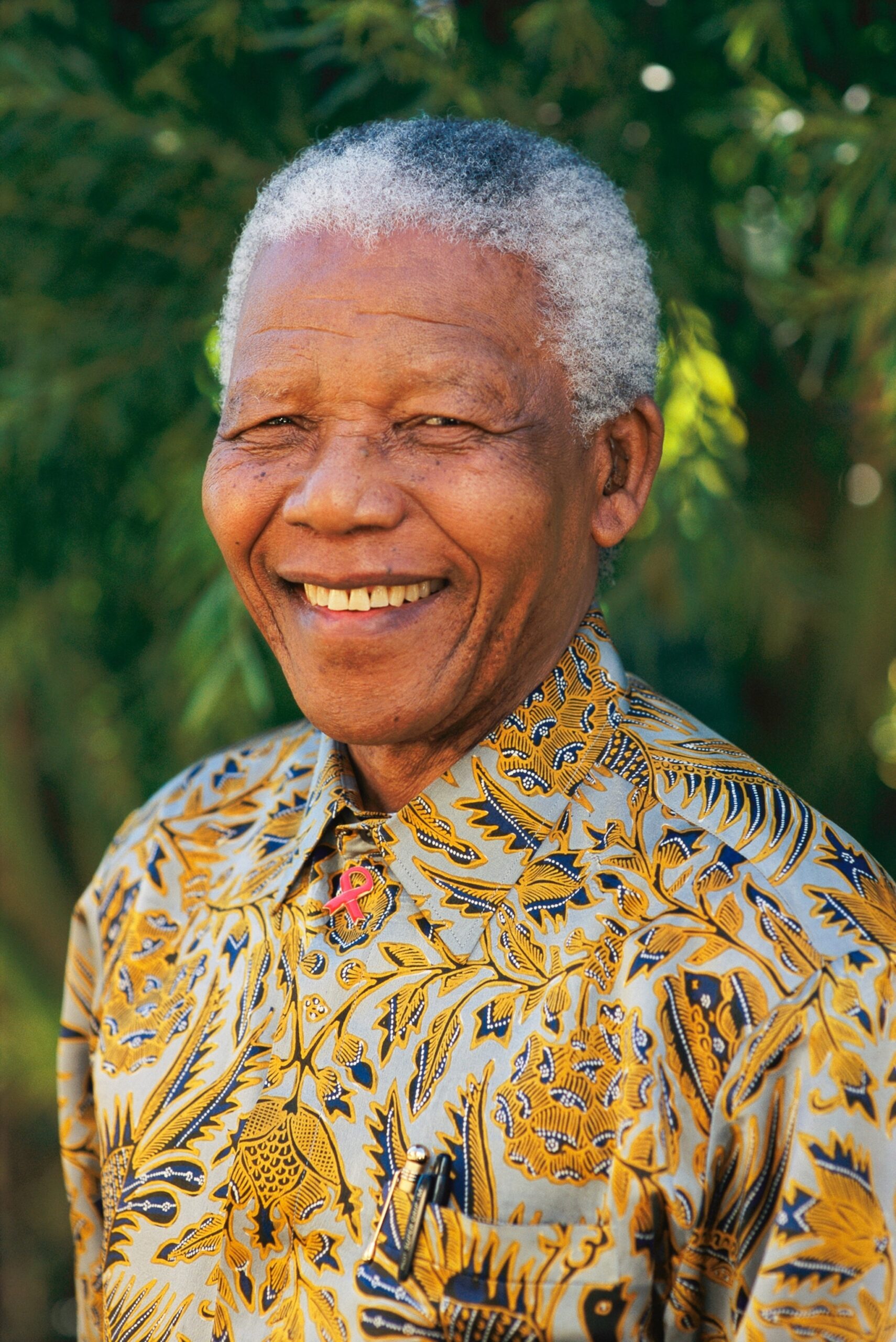
Nelson Mandela never forgot this solidarity.
He acknowledged:
“The people of Nigeria have made a sacrifice for the freedom of South Africa which will never be forgotten.”
And further emphasized:
“Nigeria stood by us when it was not easy, when it was not profitable, and when others turned their backs.”
In spirit, Mandela consistently affirmed that Nigeria’s support was part of the foundation of a free South Africa.
Nigeria was not just a supporter—it was part of the struggle itself.
The Bitter Irony: Rising Xenophobia
Today, however, a painful contradiction exists.
South Africa has, in recent years, experienced waves of xenophobic violence targeting Africans—especially Nigerians. Businesses have been destroyed, lives threatened, and communities attacked.
This raises a difficult question:
Has memory been lost?
It is a tragic irony that those who once fought for justice are now, in some cases, victims of injustice in the same land they helped liberate.
Xenophobia is not just violence—it is the collapse of African unity.
No economic hardship or social frustration justifies turning on fellow Africans. Shared history must never be replaced by hostility.
A Call to Governments and Responsibility
The South African government must act decisively to protect all residents, regardless of nationality. Silence deepens crisis; action restores trust.
At the same time, the Nigerian government must prioritize the safety of its citizens abroad. Where necessary, evacuation, reintegration support, and economic reintegration at home should be strengthened.
No Nigerian should feel abandoned.
A government’s first duty is protection.
A Message to Nigerians Abroad
To Nigerians in South Africa and elsewhere facing insecurity:
Safety must come first.
While not all environments are hostile, recurring violence cannot be ignored. Returning home should not be seen as failure, but as wisdom when safety is no longer guaranteed.
As it is said, preserving life is preserving future possibilities.
Remembering Joseph
The story of Joseph and Pharaoh is a warning about forgotten kindness and broken memory.
Nigeria’s role in South Africa’s liberation is part of African history that must never be erased. To forget it is to weaken the foundation of continental solidarity.
Africa must not become a continent that forgets its helpers.
Conclusion: A Future That Must Remember
South Africa must confront xenophobia with urgency and justice. Nigeria must protect its citizens and strengthen support systems for those abroad. And Africa must recommit to unity built on shared struggle.
We must not become the generation that forgets.
We must not become the Pharaoh that knew not Joseph.
Because when memory dies, injustice returns—and history begins again.
‘Jide Alofe
Prodigy Times Media Consult.
About the Author